Clean up a listing photo
Open the clearest product shot, remove distractions from the scene, and check that the object remains fully visible. Keep the crop generous enough for the marketplace layout you expect to use.
Mobile image workflow
Photoroom for android is useful when the photo is ready on your phone but the finished listing is not. Clean up a subject, create a clearer background, and export a more consistent image without moving the original to a desktop first.
Photoroom is a separate product. This independent guide links to Supavisual, whose uploads require sign-in and AI tools require a paid subscription. The link opens its home page; no image or prompt is carried over. Any paired images here are illustrations of concepts, not verified processing results from this site or Supavisual.
Explore Supavisual image tools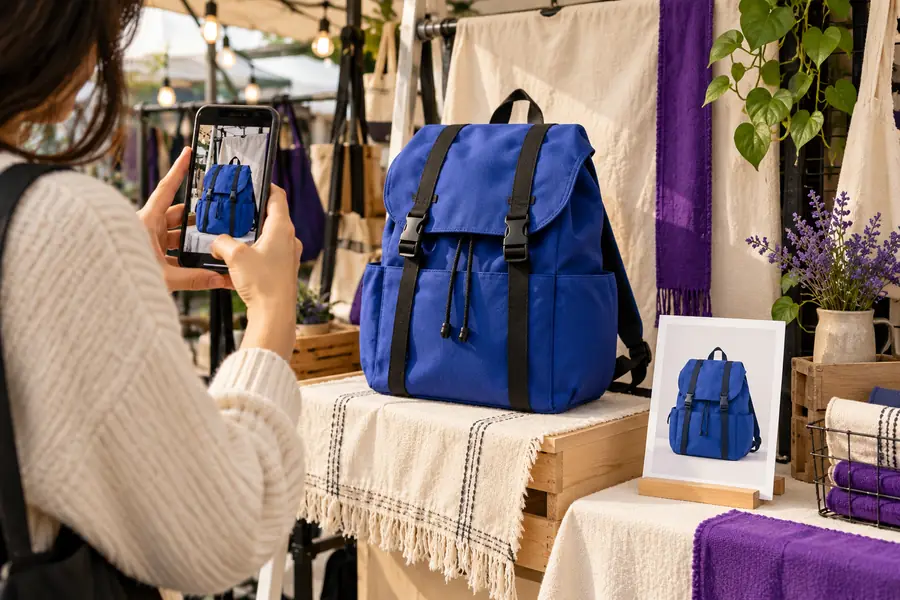
Use the route that matches the job, then keep the final review on your phone before sharing or publishing.
Compare the same mobile editing scenario on Apple devices.
Focus on separating a subject cleanly from its original scene.
Explore ways to replace a distracting backdrop with a more useful setting.
Follow a beginner-friendly phone workflow from upload through export.
A phone-first process is convenient, but it does not remove the need for judgment, suitable source images, or a final quality check.
Blur, severe motion, glare, and missing detail can limit what an automated edit can recover.
WorkaroundStart with the sharpest original available, use good light, and retake the image when the subject is unclear.
Hair, transparent packaging, thin handles, and soft edges may need closer inspection than a quick preview reveals.
WorkaroundZoom in around the silhouette and check the edge against both light and dark backgrounds.
An edit can look polished on a phone while a halo, crop problem, or inconsistent shadow remains visible elsewhere.
WorkaroundView the result at full size and compare it with the original before posting it to a marketplace or social channel.
One finished image does not automatically establish consistent spacing, naming, colors, or product information across a catalog.
WorkaroundUse a repeatable shot setup and record the visual choices that should remain consistent from image to image.
These workflows keep the task small: prepare the source, make one focused change, and inspect the result before it leaves the device.
Open the clearest product shot, remove distractions from the scene, and check that the object remains fully visible. Keep the crop generous enough for the marketplace layout you expect to use.
Replace a cluttered or uneven setting with a simple backdrop that supports the product. Compare several images together so the collection feels intentional rather than edited one file at a time.
Review the edges, framing, brightness, and important product details. Export the version you approve, then open it again from the destination app or gallery to confirm it still looks right.
The useful numbers here are review points, not performance promises: three checks can catch most avoidable publishing mistakes before the image is shared.
The goal is not to make every photo look artificial. It is to remove avoidable distractions while preserving the product’s shape, texture, and important details.
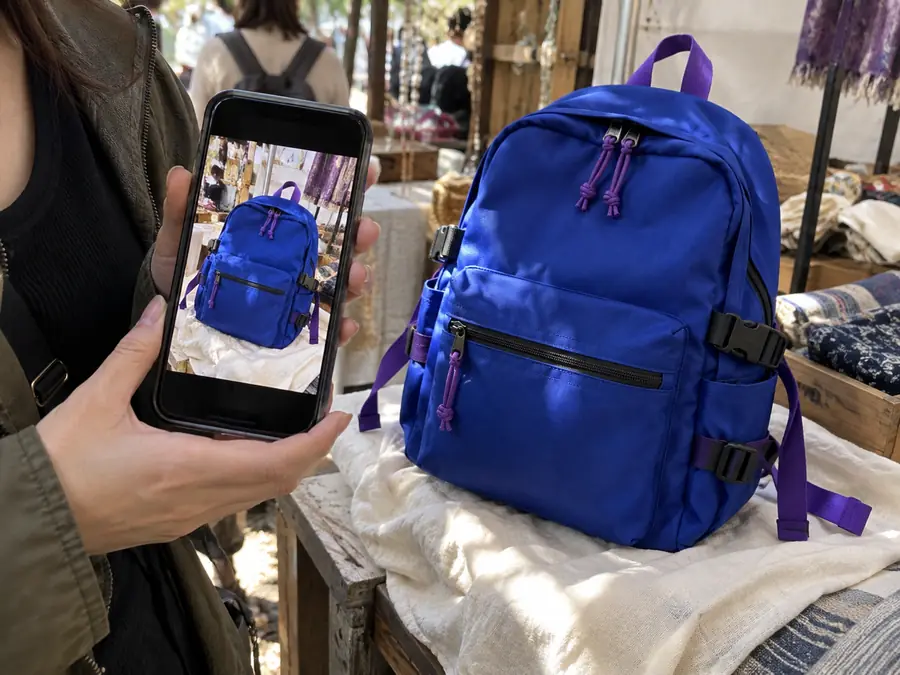
Compare the edges, crop, and product detail—not just the background.
A phone-based workflow is most useful when the person taking the picture is also the person making the publishing decision.
You photograph an item at home and need a cleaner listing image before posting it.
Remove visual clutter, keep the item prominent, and review the final crop while the details are still fresh.
photoroom for iosSeveral people capture products on different phones and need a more consistent look.
Use the same background and review habits so new images feel closer to the existing catalog.
photoroom for iosYou need a clean visual for a post or story but only have the product and phone nearby.
Make a focused edit, check the subject at the intended crop, and share a version that is easier to understand quickly.
photoroom for iosYou source items away from your usual workspace and want to prepare photos before returning home.
Handle the first pass immediately, preserve the original, and leave only final checks for later.
photoroom for iosThe comparison is about where the work happens, not a claim that one device is always better. Choose the surface that fits the moment and the level of review required.
Android phone workflow
Photo is already in the phone gallery or camera roll
Desktop detour
Photo must be transferred before editing
Android phone workflow
Quick listing updates, field work, and social content
Desktop detour
Large batches, detailed retouching, or wider visual review
Android phone workflow
Capture, edit, inspect, and share can stay together
Desktop detour
Capture and editing happen in separate environments
Android phone workflow
Possible, but the smaller display rewards deliberate zooming
Desktop detour
More screen area makes fine comparison easier
Android phone workflow
Useful for making a small set of images feel related
Desktop detour
More comfortable when comparing a large catalog at once
Android phone workflow
Check the image in the phone app or destination channel
Desktop detour
Check the exported file in the publishing environment
Android phone workflow
Keep the original in the gallery before replacing or sharing
Desktop detour
Keep an original folder or project file beside the edited export
Android phone workflow
Stay mobile when speed and proximity to the source matter
Desktop detour
Move to a larger workflow when precision and volume matter more
Start with one real image, make one focused improvement, and review the result before you publish it. A disciplined mobile workflow is often more valuable than adding unnecessary edits.
Answers to the practical questions behind the search for photoroom for android.
It is used to edit product and other everyday images on an Android phone. Common jobs include separating a subject from its background, creating a cleaner scene, and preparing an image for sharing or listing.
A phone-first workflow can handle the initial edit and review without sending the image to a computer. Whether you should move to a larger screen depends on the amount of detail, batch size, and precision your project requires.
Begin with the sharpest original image you have and avoid harsh glare or heavy motion blur. After editing, zoom in to inspect the edges, compare the result with the original, and check the image in the place where it will be published.
It can be useful for preparing clearer product photos, especially when you need to remove distractions or make backgrounds more consistent. Review the finished image against the marketplace’s crop, image, and product-description requirements before publishing.