Comparison guide

Find the right photoroom alternative for your workflow

A photoroom alternative should solve the part of your image workflow that slows you down, not simply copy another editor. Use this guide to compare control, consistency, speed, and switching effort before you commit.

Photoroom is a separate product. This independent guide links to Supavisual, whose uploads require sign-in and AI tools require a paid subscription. The link opens its home page; no image or prompt is carried over. Any paired images here are illustrations of concepts, not verified processing results from this site or Supavisual.

A visual comparison of image editing workflows

Compare the workflow dimension by dimension

Start with the job you need done, then judge each option against the same criteria. A short test using your own images is more useful than choosing from feature lists alone.

Define the repeated task

Write down whether you mainly remove backgrounds, create marketplace images, prepare social content, retouch photographs, or build complete designs. The more specific the task, the easier it is to identify a meaningful alternative.

Test representative images

Use a small set that includes clean products, fine edges, shadows, transparent objects, and busy backgrounds. Compare the first result, the correction controls, and the time needed to reach an acceptable image.

Choose for repeatability

The strongest option is not always the one with the most effects. Prefer the workflow that produces a consistent result across your normal image set and remains understandable when another person has to use it.
Compare the workflow dimension by dimension

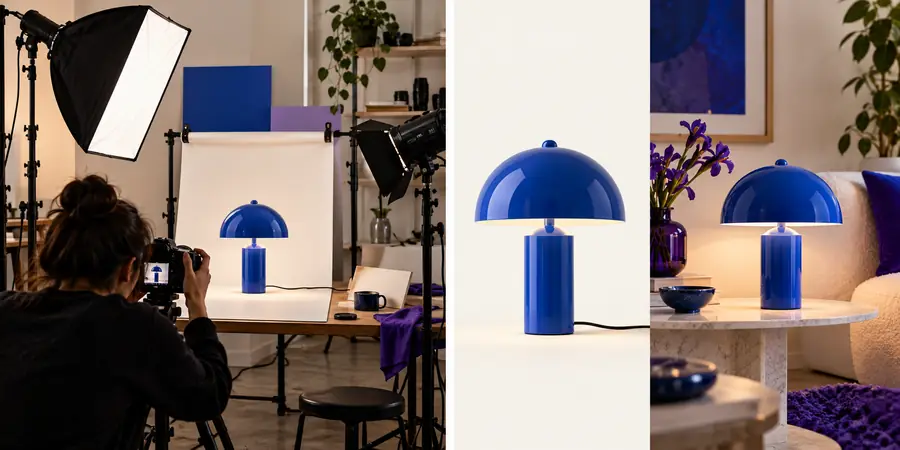
A visual test should focus on the finished image and the amount of correction required. The example below represents the kind of before-and-after check to make with your own source file.

Source image

Illustrative concept: Original product image before background editing; not a verified processing result
Edited product image with a cleaner presentation
Prepared image

Judge edge quality, subject placement, background consistency, and whether the result is ready for its intended channel.

Who each option suits

The best choice changes with your volume, skill level, and tolerance for manual correction. Treat these as practical fit signals rather than absolute rankings.

Fast cutout tools are not full design studios

A focused image editor can be efficient for isolating a subject, but it may not replace a broader layout, typography, publishing, or campaign workflow.

WorkaroundKeep a dedicated design tool in the process when the final asset needs layered layouts, branded text, or channel-specific compositions.

Automation can struggle with difficult edges

Hair, glass, mesh, smoke, soft shadows, and low-contrast subjects can require inspection even when the first result looks convincing.

WorkaroundTest difficult examples early and choose an option that gives you a practical way to correct masks or refine the image.

Templates do not guarantee brand consistency

A large template library can accelerate production, but repeated use may still produce inconsistent spacing, colors, crops, or visual hierarchy.

WorkaroundCreate a small approved set of layouts and document the rules for product scale, margins, backgrounds, and export checks.

Switching tools has a learning cost

Moving away from a familiar editor can interrupt production, especially when saved projects, team habits, or established review steps are involved.

WorkaroundRun the new workflow beside the current one for a small batch before changing your main process.

A practical migration path

Use a measured pilot instead of changing every asset at once. These checkpoints keep the comparison grounded in your actual workload.

Keep the current process and the candidate alternative visible during the pilot.
2 workflow choices
Review quality, control, speed, consistency, collaboration, and export readiness.
6 comparison dimensions
Test a sample, record issues, then decide whether to expand the new process.
3 migration steps

A practical migration path

This table is a starting framework for choosing between a focused image workflow and Photoroom. Validate each row with the images and output requirements that matter to you.

Photoroom A focused alternative
1

Primary fit

Photoroom

Useful when quick product-image preparation and accessible image edits are central to the workflow.

A focused alternative

Useful when a different balance of automation, control, or output consistency better matches the team.

2

Background work

Photoroom

Designed around common background removal and replacement tasks.

A focused alternative

Should be tested on the exact edges, shadows, and subject types found in your image library.

3

Creative control

Photoroom

Convenient for rapid edits, but the available controls should be checked against advanced retouching needs.

A focused alternative

May suit teams that prefer a more focused or differently structured editing experience.

4

Repeatability

Photoroom

Can fit recurring product-content workflows when its editing steps match the team's standards.

A focused alternative

Should be judged by whether multiple people can reproduce the same result with few corrections.

5

Learning effort

Photoroom

Often easier to assess when the team already knows the interface and its normal shortcuts.

A focused alternative

Requires a short pilot so users can learn the controls before production depends on them.

6

Best decision test

Photoroom

Compare a representative batch rather than relying on a single successful image.

A focused alternative

Use the same batch, record corrections and review time, then keep the workflow with the stronger overall fit.

7

Switching risk

Photoroom

Lower when existing projects, habits, and review conventions are already established.

A focused alternative

Lower when the new process can be introduced beside the old one without disrupting delivery.

Put the alternative workflow to the test

The fastest way to choose is to compare your own images, not generic demonstrations. Start with a small representative batch, note every correction, and decide based on the finished result and the effort behind it.

  • Use real images from your normal workload
  • Compare quality and correction time together
  • Keep the process that your team can repeat

Comparison FAQ

These answers address the main questions people ask when they search for an alternative and want to make a practical switch.

Start with the task you repeat most often, such as background removal, product-image preparation, or social content creation. Then compare output quality, manual control, consistency, collaboration, and the time needed to finish a real batch.

No. An alternative is better only when it fits your images, team, and publishing requirements more closely. A tool that looks more powerful can still be a poor choice if it adds correction work or slows down a familiar process.

Run a small parallel test using representative images while your current process remains active. Record the first result, correction time, review issues, and final output so the decision reflects production conditions rather than a single demo.

Switching is most useful for people whose current tool does not match their main job, whether that means insufficient control, inconsistent results, missing workflow steps, or unnecessary complexity. If the present process already meets those needs, staying may be the more efficient choice.

Start creating
Start creating